
Bangalores Fastest Developing Areas
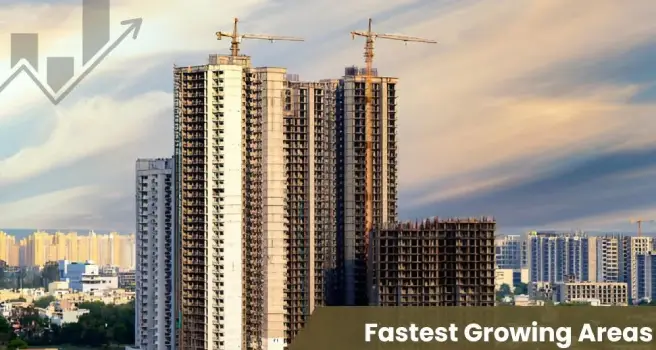
Bangalore’s fastest developing areas are reshaping the city’s skyline and redefining the idea of urban living in India. What was once known as a city of gardens and quiet retirement homes has transformed into a powerhouse of technology, innovation, and real estate. With startups booming, infrastructure projects accelerating, and residential demand surging, Bangalore’s growth is anything but ordinary. But where exactly is this growth happening? And what makes these areas the next big thing? Let’s explore the city’s rapid expansion and the neighborhoods leading the way.
1. Introduction to Bangalore's Urban Expansion
1.1 Brief History of Bangalore’s Development
Decades ago, Bangalore was cherished for its green spaces, colonial charm, and a pace of life that felt unhurried. It wasn’t until the 1980s and 90s that a tech wave changed everything. The city welcomed giants like Infosys and Wipro, giving rise to India’s IT capital. As technology took root, Bangalore grew — not just in terms of jobs but in ambition, diversity, and urban spread.
Today, it’s not unusual to see once-sleepy outskirts becoming buzzing localities with glass towers, branded residences, and lifestyle hubs. Growth isn’t confined to the city center anymore — it’s sprawling outward.
1.2 Factors Driving the City's Growth
- Tech ecosystem: From global tech giants to unicorn startups, Bangalore’s innovation economy is flourishing.
- Educational excellence: Institutions like IISc, IIM Bangalore, and NLSIU continue to attract and retain top talent.
- Migration magnet: Professionals from across the country move here for opportunity, affordability, and quality of life.
- Public and private investment: Roads, metro lines, IT parks, and smart cities are shaping the physical and economic fabric of the city.
1.3 Overview of Key Growth Indicators
- Population growth: Over 13 million residents and counting.
- Property appreciation: Some micro-markets have seen property values jump by 60 to 80% in five years.
- Office space demand: With 60+ million sq. ft. under active commercial development, demand is outpacing supply.
- Connectivity upgrades: Metro Phase 2, Peripheral Ring Road (PRR), and suburban rail networks are game-changers.
2. The IT Corridor: Whitefield and Beyond
2.1 Whitefield’s Transformation from Suburb to Tech Hub
Whitefield’s story is iconic. Once a colonial retreat, it is now the face of new Bangalore. With ITPB and EPIP Zone at its core, it became a tech magnet. The presence of MNCs like Oracle, IBM, and Dell has turned it into a 24×7 economy with cafes, co-working spaces, luxury homes, and malls.
2.2 Infrastructure Developments in the Area
What boosts Whitefield’s appeal is its infrastructure push. The Metro Purple Line extension now connects it to the city’s heart, easing long commutes. Wide arterial roads, high-street retail, and state-of-the-art hospitals like Manipal and Columbia Asia serve the growing population.
2.3 Impact on Real Estate and Local Economy
From studio apartments for millennials to sky villas for the affluent, Whitefield caters to every buyer. Real estate prices have surged, and so has rental demand. With coworking hubs and cultural spaces, it’s more than just a workplace—it’s a lifestyle destination.
3. Emerging Hotspot: Bagalur
3.1 Major Companies and Tech Parks
Tucked away in North Bangalore, Bagalur is making headlines for all the right reasons. The KIADB Aerospace Park, housing global players in aviation and defense, is fueling both employment and infrastructure. Companies like Boeing, Collins Aerospace, and HAL are already invested here.
3.2 Residential Growth and Amenities
Bagalur’s residential scene is catching up fast. Projects like Godrej Ananda are introducing contemporary living with amenities like co-working pods, organic gardens, and smart homes. Gated communities are rising, and so are schools, clinics, and local shopping zones.
3.3 Connectivity Improvements and Future Plans
Strategically located near the STRR, SH 104 and NH 44, Bagalur is well-connected to Hebbal, Yelahanka, Shettigere, Devanahalli and the airport. Upcoming plans include metro connectivity, dedicated expressways, and public transit hubs. This foresight makes Bagalur an investment sweet spot.
4. North Bangalore: The New Frontier
4.1 Shettigere and Surrounding Areas
A few years ago, Shettigere was barely on the real estate radar. Today, it’s being hailed as North Bangalore’s crown jewel. With its proximity to the airport and NH 44, developers are rolling out large-scale integrated townships and plotted developments.
4.2 Influence of Kempegowda International Airport
The airport has been more than just an aviation hub — it’s a growth engine. Surrounding areas like Devanahalli, Hunasamaranahalli, and Shettigere have seen exponential commercial and residential activity. The proposed airport terminal expansion and logistics hubs only add to its appeal.
4.3 Upcoming Residential and Commercial Projects
Among the most anticipated developments is Godrej MSR City, a massive township offering apartments, and retail zones. Its master planning focuses on green spaces, mobility, and future-ready infrastructure. Alongside, business parks, data centers, and retail plazas are in the pipeline, setting the tone for a balanced live-work-play ecosystem.
5. Sarjapur Road: From Rural to Urban
5.1 Rapid Urbanization Along the Corridor
Sarjapur Road is a textbook case of rapid transformation. What was once dotted with farmlands is now lined with premium villas, high-rise condos, and international schools. Its central location between Electronic City, ORR, and Whitefield has made it a developer’s favorite.
5.2 Educational Institutions and Their Role in Development
International schools like Indus, TISB, and Greenwood High have not only elevated the area’s profile but also drawn in high-income families. Education has become a growth catalyst, influencing lifestyle, property choices, and long-term value.
5.3 Challenges of Balancing Growth with Infrastructure
Growth has been swift—but not without pain points. Sarjapur still battles traffic congestion and water management issues. However, metro extensions and the upcoming STRR promise a more sustainable future for this rising corridor.
6. Outer Ring Road: Connecting the Growth Centers
6.1 Commercial Developments Along the Stretch
The Outer Ring Road (ORR) is home to some of the most valuable commercial real estate in the country. Ecospace, RMZ Ecoworld, and Embassy Tech Village host tech giants like Cisco, Accenture, and Flipkart. This belt employs over half a million professionals and drives weekday traffic, footfalls, and fuel for the city’s economy.
6.2 Residential Hotspots and Their Growth
Areas such as Bellandur, HSR Layout, Budigere, Old Madras Road and Mahadevapura have exploded in popularity. With high-rise apartments, premium gated communities, and a buzzing nightlife scene, they cater to a young, upwardly mobile population.
6.3 Traffic Management and Public Transportation Initiatives
To combat gridlock, the ORR Metro (Blue Line) is under construction and will cover the entire IT corridor. In addition, multi-level flyovers, signal-free corridors, and BRTS initiatives are in progress to ease congestion and ensure seamless mobility.
Conclusion
From Whitefield’s tech dominance to Bagalur’s industrial promise and Shettigere’s township future, Bangalore’s fastest developing areas are writing the next chapter of urban growth. Each zone offers something distinct — jobs, connectivity, community, or lifestyle. For investors and end-users alike, understanding this evolving landscape is key to making informed choices. The city is no longer growing in a circle — it’s branching out in every direction.
FAQs
Shettigere and Bagalur are currently among the most promising thanks to airport proximity, planned infrastructure, and township-scale projects.
In fast-developing localities, property prices have surged 60–80% in under five years, especially around metro routes and employment zones.
Key challenges include traffic congestion, water stress, and infrastructure lag. However, planned metro lines, ring roads, and urban reforms are being introduced to ease these issues.