
Discover the Lifespan of Buildings in Bangalore and How to Maximize It
Discover the Lifespan of Buildings in Bangalore and How to Maximize It. This question holds serious importance for anyone planning to invest, buy, or build a future home in Bangalore. As Bangalore evolved from a quaint pensioner’s paradise into a bustling metropolitan hub, its skyline transformed dramatically. From colonial-era bungalows to sprawling high-rises, each structure holds a story about the city’s ever-changing character. Understanding the typical lifespan of these buildings is not just academic—it is a vital decision-making factor in real estate investments and long-term living choices.
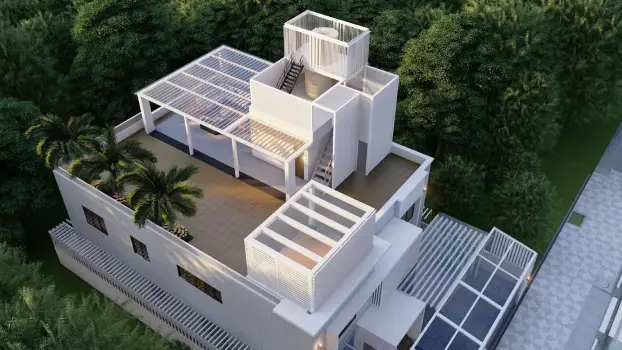
The city’s real estate market is booming, driven by a thriving tech industry, robust infrastructure projects, and a youthful population. Yet amidst this rapid expansion, it becomes essential to evaluate how long these concrete giants will last. Several factors—climate conditions, construction quality, regulatory standards, and maintenance practices—play pivotal roles in determining building durability.
Average Lifespan of Buildings in Bangalore
On average, the lifespan of buildings in Bangalore varies depending on their type and construction quality. Residential apartment complexes typically last between 50 to 80 years, especially when built with superior materials and maintained properly. Commercial high-rises and office spaces, designed for heavier loads and higher occupancy, generally enjoy a longer lifespan, ranging from 60 to 100 years.
Independent villas and bungalows, however, tell a different story. Their standalone nature often exposes them more directly to environmental wear and tear, giving them a slightly shorter lifespan of about 40 to 70 years.
Key Factors Affecting Building Lifespan in Bangalore
Quality of Construction Materials
The foundation of any long-lasting building lies in the materials used. High-grade concrete, superior quality steel, and innovative construction composites significantly boost a building’s resilience. Developers in Bangalore increasingly adopt advanced materials that enhance strength, sustainability, and weather resistance.
Climate and Environmental Conditions
Bangalore’s moderate climate is generally a blessing for structures. However, challenges such as monsoon moisture, occasional temperature fluctuations, and rising humidity levels can contribute to issues like seepage, mold, and structural fatigue if not addressed proactively.
Construction Techniques and Technology
Modern techniques such as Mivan shuttering technology and precast construction methods have revolutionized durability standards. By accelerating project timelines and delivering consistent quality, these methods significantly reduce the flaws typically seen in older construction styles.
Maintenance Practices
Regular painting, waterproofing, and professional inspections significantly impact a building’s health. Buildings that undergo periodic audits for structural integrity and timely repairs tend to outlast poorly maintained counterparts by decades.
Developer Reputation and Compliance
Projects such as Godrej MSR City, developed by trusted builders like Godrej Properties who strictly follow RERA guidelines and uphold quality standards, are built for superior longevity. Transparent practices, superior material sourcing, and compliance with safety norms ensure that these structures age gracefully.
How Bangalore’s Building Codes Influence Lifespan
Regulatory frameworks enforced by BBMP (Bruhat Bengaluru Mahanagara Palike) and RERA Karnataka have brought welcome discipline to construction practices. Mandatory requirements for structural soundness, sustainable resource usage, and periodic certifications have become the norm.
Recent amendments promoting the use of eco-friendly materials, mandatory installation of rainwater harvesting systems, and earthquake-resistant designs aim to extend building life significantly. These proactive measures help ensure that newer constructions in Bangalore are not only modern but built to last.
Key Challenges That Affect Building Longevity in Bangalore
While Bangalore’s skyline continues to grow, rapid urbanization brings new hurdles that can impact the long-term durability of its buildings. The urgent pace of construction often leads to compromises in material quality or poor adherence to building norms. Furthermore, increased pollution, stress on civic amenities, and occasional lapses in regulatory oversight contribute to accelerated structural wear.
Natural disasters, though less frequent in Bangalore compared to coastal cities, still pose risks. Occasional tremors, heavy monsoon seasons, and flooding incidents test the endurance of even the best-constructed buildings.
Signs of Building Ageing in Bangalore
Aging structures in Bangalore reveal themselves through a host of signs. Visible cracks in beams and walls, water seepage, corrosion of steel reinforcements, and crumbling plaster are common after 30–40 years of occupancy.
Warning indicators like uneven settlement, tilting, sagging roofs, or persistent dampness demand immediate attention. Ignoring such signs could lead to hazardous living conditions, emphasizing the need for timely repairs or redevelopment.
New Trends Enhancing Building Lifespan
The new wave of construction in Bangalore embraces smarter, greener building methods. Green-certified buildings, use of sustainable construction materials like fly ash concrete, and integration of smart monitoring systems (IoT-based sensors) for real-time health checks are becoming standard.
Additionally, the trend of constructing earthquake-resistant, flood-resistant, and fire-safe structures ensures higher endurance against environmental uncertainties, setting a new benchmark for urban resilience.
Redevelopment and Building Lifespan Extensions
Redevelopment has emerged as a dynamic solution to extend building lifespans in Bangalore’s older neighborhoods like Indiranagar, Jayanagar, and Malleswaram. Societies often opt for demolition and reconstruction of aging buildings to enjoy modern amenities, enhanced safety standards, and a fresh lease of life for the property.
New construction techniques, premium materials, and adherence to updated regulations not only enhance aesthetics but also boost the lifespan dramatically. Periodic retrofitting—like beam strengthening and re-plastering—further delays natural deterioration, making older communities more vibrant and secure.
Lifespan Comparison: Bangalore vs Other Indian Cities
When compared to cities like Mumbai, Delhi, Hyderabad, and Chennai, Bangalore’s buildings generally exhibit better longevity. The relatively moderate climate and absence of extreme weather conditions reduce structural stress.
In contrast, Mumbai faces severe corrosion issues due to salt-laden coastal air, while Delhi’s pollution accelerates building fatigue. Hyderabad and Chennai, with their hotter climates, also face faster wear and tear, although modern practices are steadily mitigating these effects.
Case Studies: Long-lasting Buildings in Bangalore
Some of Bangalore’s historic treasures, such as the Bangalore Palace and Attara Kacheri, stand testament to meticulous craftsmanship and enduring material quality.
Modern-day marvels like the UB City complex and RMZ EcoWorld are also examples of superior engineering designed for decades of relevance. These structures demonstrate the vital role that visionary planning, quality control, and routine maintenance play in ensuring exceptional longevity.
Future Outlook for Building Lifespan in Bangalore
The future looks promising. Innovations such as self-healing concrete, 3D-printed building components, and AI-driven predictive maintenance systems are set to revolutionize construction durability.
Adoption of sustainable building practices, emphasis on net-zero energy buildings, and integration of green infrastructure are predicted to dramatically enhance building life cycles, making Bangalore a leader in long-lasting urban landscapes.
Conclusion
Choosing a quality home goes beyond luxury fittings—it’s about securing a structure built to endure. Buildings in Bangalore, when constructed with premium materials and maintained diligently, can easily last between 50 to 80 years or more.
As a city moving towards smarter and greener developments, it’s crucial for homeowners, investors, and residents to remain proactive—regular inspections, timely renovations, and informed purchasing decisions will ensure both safety and long-term value.
FAQs
Generally, buildings older than 30 to 40 years should undergo detailed structural audits to ensure continued safety.
Ideally, every 5 years after 25 years of construction. Annual inspections are recommended once a building crosses 40 years.
Typically, residential buildings last between 50 to 80 years, depending on materials, maintenance, and construction standards.
The moderate climate favors longevity, though heavy monsoon seasons and humidity can cause moisture-related damage over time.
Routine maintenance, timely waterproofing, structural strengthening, and compliance with audit recommendations can significantly extend lifespan.
Older constructions used more robust materials and techniques but may lack modern safety features. New buildings, with regulated practices, often balance both durability and safety.
Strict building codes enforced by BBMP and RERA ensure improved construction practices, thereby extending the average building lifespan in the city.