
Buying Property in Bangalore
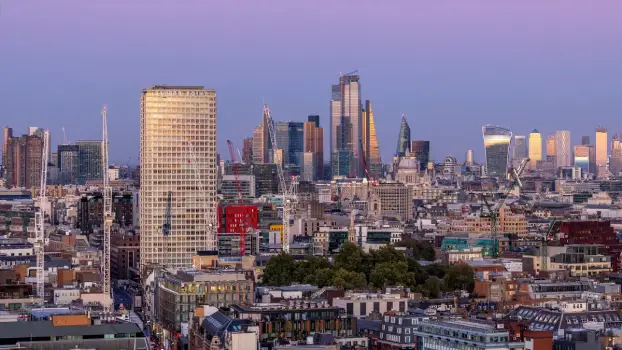
Buying property in Bangalore is an aspiration shared by countless professionals, families, and investors across India. Known as the Silicon Valley of India, Bangalore continues to attract attention for its booming real estate market. With its blend of modern infrastructure, job opportunities, and lifestyle offerings, the city has emerged as one of the top destinations for residential and commercial investment. However, while the prospects appear promising, it’s essential to weigh the pros and cons to make an informed decision. This detailed guide walks you through every aspect of buying property in Bangalore—right from market dynamics and financial implications to legalities and returns on investment.
1. The Booming Real Estate Landscape in Bangalore
1.1 Rapid Urban Development and Infrastructure Growth
Over the past decade, Bangalore has seen remarkable urban transformation. From metro rail expansions and elevated expressways to tech parks and planned townships, such as Godrej MSR City, the city has witnessed an infrastructure evolution that rivals any global metro. Areas like Whitefield, Shettigere, Hebbal, Devanahalli, Bagalur and Sarjapur have especially benefited, making them attractive for both end-users and investors.
1.2 Increasing Demand Due to IT Sector Expansion
The robust growth of the IT and start-up ecosystem has dramatically increased housing demand in the city. Companies such as Infosys, Wipro, and TCS have long anchored the employment market here, and global players like Amazon, Google, and Accenture have only added to the momentum. The influx of high-earning professionals fuels demand for premium apartments, villas, and co-living spaces alike.
1.3 Variety of Property Types Available
From budget apartments and compact studios to luxurious villas and plotted developments, Bangalore caters to a wide spectrum of buyers. The availability of different formats across different budget ranges means there’s something for every type of investor or homeowner.
2. Advantages of Investing in Bangalore Property
2.1 Potential for High Returns on Investment
Bangalore’s real estate market has consistently demonstrated a strong upward trend. Strategic micro-markets have seen annual appreciation of 8–12% over the last few years. With ongoing infrastructure projects and a healthy economy, long-term returns remain promising.
2.2 Strong Rental Market for Steady Income
Owing to the steady inflow of professionals and students, rental yields in Bangalore are among the highest in India. Locations near IT corridors and educational institutions fetch monthly rents that ensure steady income, particularly in 2 BHK and 3 BHK units.
2.3 Access to World-Class Amenities and Facilities
Modern housing projects come equipped with clubhouses, gyms, swimming pools, co-working spaces, and more. These add value to lifestyle and resale prospects, making Bangalore properties not just homes but aspirational assets.
3. Challenges and Drawbacks of Buying Property in Bangalore
3.1 Rising Property Prices and Affordability Concerns
While the city offers great investment opportunities, prices have steadily climbed, especially in core zones. For middle-income families, entering the market in prime areas may seem daunting. However, suburbs and emerging corridors still offer value-for-money options.
3.2 Traffic Congestion and Commute Times
Despite rapid development, Bangalore’s traffic woes are no secret. Long commute hours can be a dealbreaker for many, making it important to factor in location and connectivity when choosing a property.
3.3 Water Scarcity and Environmental Issues
Parts of the city face challenges related to water supply and sustainability. Before buying, it’s crucial to assess the project’s water sourcing, waste management, and green certifications to avoid future problems.
4. Legal and Regulatory Considerations
4.1 Understanding Local Property Laws and Regulations
The Karnataka government has established laws around land conversion, property tax, and RERA registration. Buyers should always verify legal titles, builder approvals, and zoning permissions before proceeding.
4.2 Navigating the Approval Process for Construction
For under-construction properties, ensure the project has obtained all necessary clearances from BBMP, BDA, BESCOM, and BWSSB. RERA registration is a non-negotiable criterion for transparency and accountability.
4.3 Importance of Due Diligence in Property Transactions
A background check on the developer, the land’s ownership history, encumbrance certificate, and sales agreement is crucial. Always consult a legal expert to review documents before making any financial commitments.
5. Location Matters: Choosing the Right Area in Bangalore
5.1 Proximity to IT Hubs and Business Centers
Areas near Electronic City, Whitefield, Outer Ring Road, and Manyata Tech Park enjoy higher rental demand and capital appreciation. Properties here are ideal for those looking to either reside or generate income.
5.2 Upcoming Areas with Growth Potential
Zones such as Devanahalli, Yelahanka, Bagalur, and Shettigere are gaining traction. These emerging corridors are witnessing fast-paced infrastructure development and offer properties at comparatively lower prices.
5.3 Balancing Cost with Lifestyle Preferences
Your lifestyle goals—be it proximity to work, schools, hospitals, or nature—should influence your choice. A home in a slightly peripheral zone may offer better amenities at a lower price compared to core city areas.
6. Financial Aspects of Property Investment in Bangalore
6.1 Mortgage Options and Interest Rates
Home loans in India are readily available from public sector banks, private lenders, and NBFCs. Interest rates typically range between 8% to 10%. Opt for a lender offering pre-approved project listings and doorstep services.
6.2 Property Taxes and Maintenance Costs
Annual property tax depends on the size and zone of the property. Maintenance charges in gated communities can vary from ₹2–₹6 per sq. ft., so factor that into your monthly budget.
6.3 Long-Term Appreciation Potential
Bangalore’s long-term growth trajectory is driven by job creation, infrastructure, and lifestyle appeal. Properties in well-connected, evolving neighborhoods show significant capital gains within a span of 5–10 years.
7. Impact of Technology on Bangalore's Real Estate Market
7.1 Online Property Portals and Virtual Tours
Digital platforms have simplified the property search journey. From comparing listings to scheduling virtual tours, everything can now be done from your home, saving time and offering wider choices.
7.2 Smart Home Features and Tech-Enabled Properties
From remote-controlled lighting to voice-activated appliances, smart homes are in demand. Projects offering home automation, EV charging, and solar panels are attracting a new wave of tech-savvy buyers.
7.3 Influence of Remote Work on Housing Preferences
With hybrid work models becoming the norm, many buyers are moving away from city centers in favor of larger homes in quieter zones. The need for a home office and outdoor space has reshaped housing demand post-COVID.
Conclusion
Buying property in Bangalore is an exciting yet complex decision that requires a balanced evaluation of opportunities and risks. While the city promises excellent returns, robust infrastructure, and a vibrant lifestyle, it also comes with concerns around traffic, affordability, and legal due diligence. By understanding the local market, choosing the right location, and being financially and legally prepared, you can make a sound investment that pays off in the long run—whether it’s for personal use or building wealth through real estate.
FAQs
The average cost ranges from ₹6,000 to ₹12,000 per sq. ft., depending on the locality, with premium zones exceeding ₹15,000 per sq. ft.
Non-resident Indians (NRIs) can legally purchase both residential and commercial property in Bangalore, subject to FEMA guidelines.
The process usually takes 30 to 90 days, depending on financing, legal due diligence, and builder documentation.
Whitefield, Shettigere, Electronic City, Hebbal, Sarjapur Road, Devanahalli, and Yelahanka are popular due to connectivity and job hubs.
The pandemic shifted buyer preferences toward larger homes and open spaces. Demand for plotted developments and homes in peripheral areas has risen significantly since 2020.